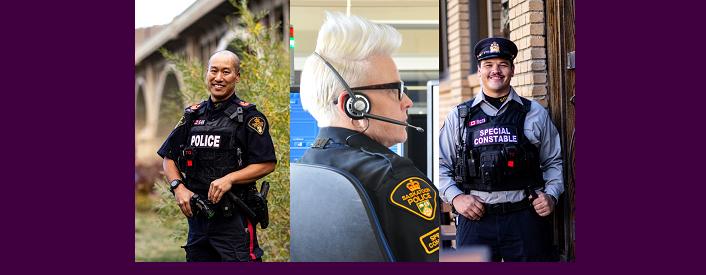
Recruiting
Are you interested in a career in policing?
Click to learn more about RecruitingEMERGENCY CALL 911 NON-EMERGENCY CALLS 306-975-8300

Reporting Options: including the Citizens Online Reporting System to submit a non urgent report immediately Click to view the options for filing a report
Are you interested in a career in policing?
Click to learn more about Recruiting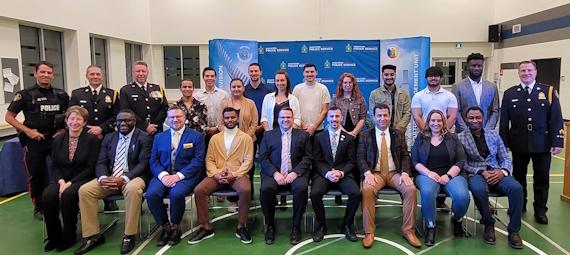
Applications are now being accepted Community Police Academy which begins in September. Click here or visit the Programs and Services section of this website for further information.
Click to learn more about Community Police Academy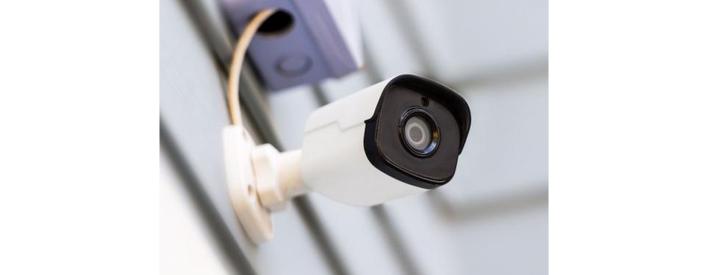
Help keep your neighborhood safe by registering your home and office security cameras with SPS.
Click to learn more about Security Camera Registry
Saskatoon Police Searching for one of Canada's Most Wanted
Click to learn more about BOLO ProgramCriminal record checks or vulnerable sector checks for volunteer or employment purposes Click to Apply for a Criminal Records Check
One man was transported to hospital following a stabbing early this morning. At around 2:30 a.m. this morning, April 25, 2024, police were called to the 1500 block of 8th Street East for a…
Read News Release #2024174On April 23, 2024, the Saskatoon Police Service received information from the Regina Police Service related to suspects using fraudulent identification and credit cards to purchase tires from automotive dealerships. It was…
Read News Release #2024173A 34-year-old man is recovering following a stabbing on the 200 Block of Avenue H South. On April 23, 2024, around 5 p.m., officers were called to the area with reports of an…
Read News Release #2024172A 23-year-old Saskatoon man is facing charges in connection to a weapons related offence. At approximately 10:50 p.m. on April 19, 2024 police observed three men acting suspiciously in the 2100 Block of…
Read News Release #2024171View reported crime incidents and traffic collisions in your neighbourhood or across the city. View Map

Jonathan OUELLET-GENDRON - Wanted for First Degree Murder
Click here to view All Wanted Photos
Shane GOERTZ - Wanted for Breach of Probation
Click here to view All Wanted Photos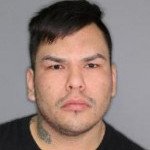
Everett Joseph DESJARLAIS - Wanted for Aggravated Assault
Click here to view All Wanted Photos
Timloh Butchang NKEM - Wanted for Sexual Assault and Failing to Attend Court for Sentencing
Click here to view All Wanted Photos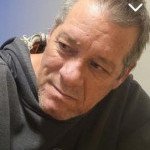
Ricky Wist - Last seen April 8th, 2024.
Click here to view All Missing Photos
Alexis Head, McKenzie Silverquill - Last seen February 17, 2024.
Click here to view All Missing Photos
Jesse Lee Strongarm
Click here to view All Missing Photos
Mackenzie Lee Trottier - Last seen December 21, 2020
Click here to view All Missing Photos
Aaron Francis Wuttunee - Last seen late August 2019
Click here to view All Missing Photos
Desmond Fischer - Last seen June 25, 2018
Click here to view All Missing Photos
Eddie Burwell - Last seen February 11, 2018
Click here to view All Missing Photos
Happy Mary Charles - Last seen April 3, 2017 in Prince Albert, SK
Click here to view All Missing Photos
Jordan Charles Walker - Last seen December 2, 2015
Click here to view All Missing Photos
Kandice Marie Singbeil - Last seen May 25, 2015
Click here to view All Missing Photos
Kenneth Fehr - Last seen November 27, 2012
Click here to view All Missing Photos
Peter McKay - Last seen December 31, 1986
Click here to view All Missing PhotosThe Vulnerable Person Registry is a voluntary service offered by the Saskatoon Police Service.
Click here for more information on the SPS Vulnerable Person Registry
Register your bicycle serial number with the Saskatoon Police Service.
Click here for more information on the SPS Online Bicycle Registration
Social Media